
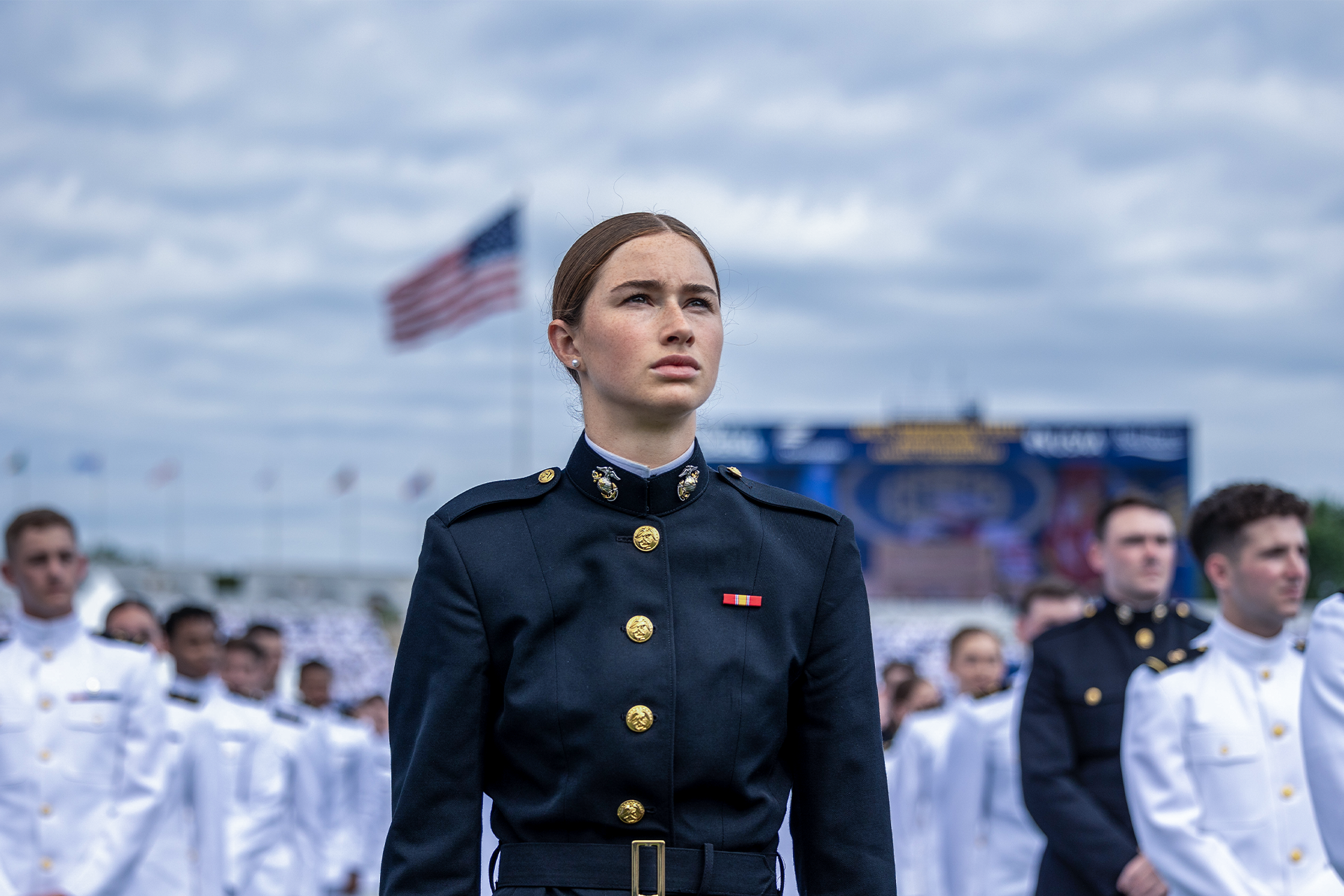





To become a Marine Corps Officer, you generally need a bachelor's degree from an accredited four-year university. While you can't become an officer without a degree, college students can complete training through programs like the Platoon Leaders Course (PLC) or Naval Reserve Officers Training Corps (NROTC). Alternatively, enlisted Marines can apply to receive a commission through an enlisted-to-officer program.



Officer Requirements
Marine Officers Lead From the Front
Marine Officers are leaders of Marines. They are responsible for making decisions, giving orders, and ensuring mission success. Unlike enlisted Marines, officers are commissioned to command, guide, and inspire others—carrying the weight of leadership on every battlefield.

Because of the increased responsibility, becoming a Marine Officer requires meeting higher qualifications, you must:
- Have a four-year college degree at the time of commissioning
- Be a U.S. citizen
- Be at least 20 years old (discuss eligibility with an Officer Selection Officer)
- Have strong moral character and leadership potential
- Pass a criminal background check with no felony convictions
- Meet physical and medical fitness standards
If you’re still exploring your path and considering what role might be right for you, you may want to learn more about enlisted service—another proud and powerful way to earn the title Marine.
Fit to Lead. Tough Enough to Win.
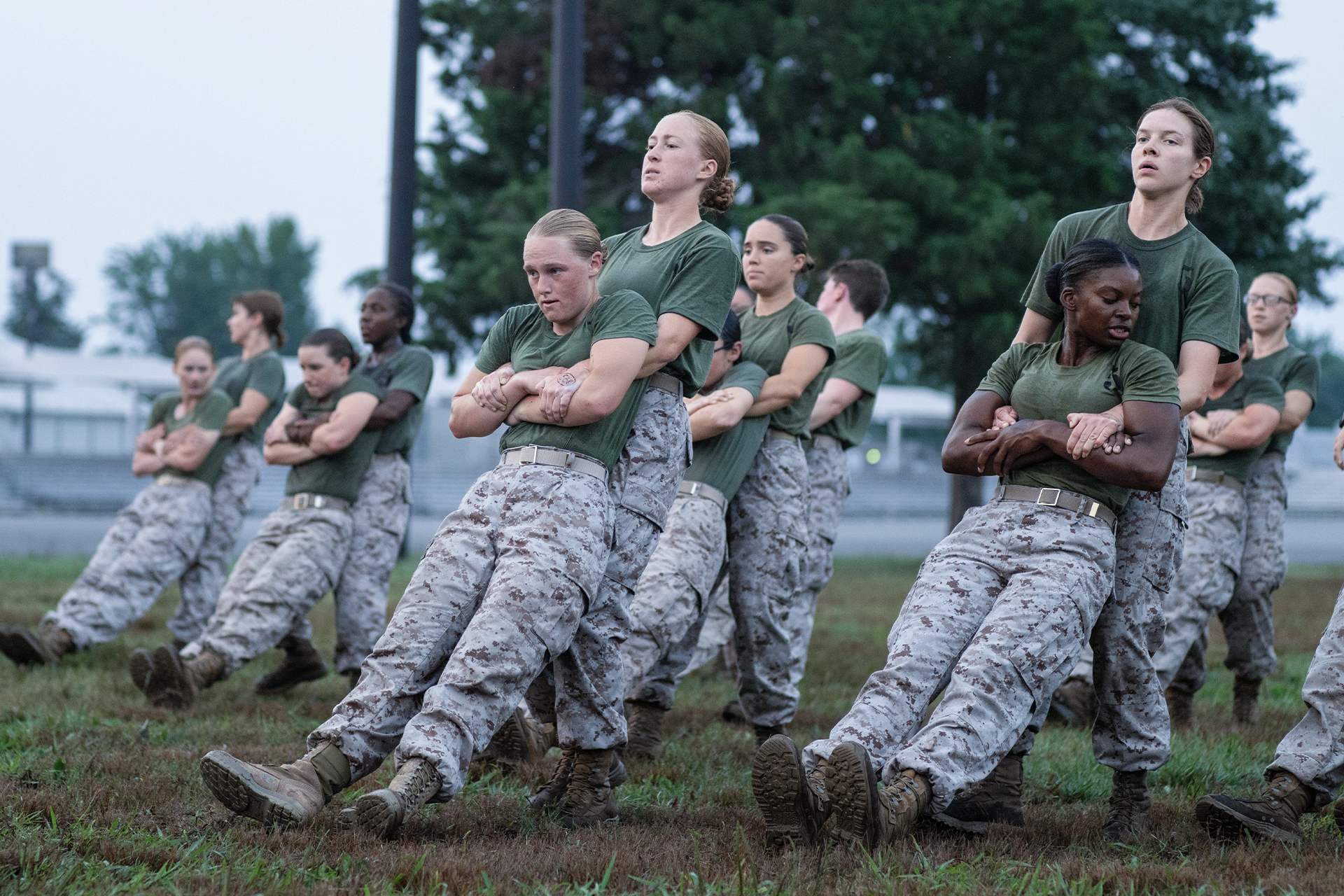
Leading Marines requires more than strategic thinking—it demands strength, endurance, and the mental toughness to lead by example in the most physically demanding environments.

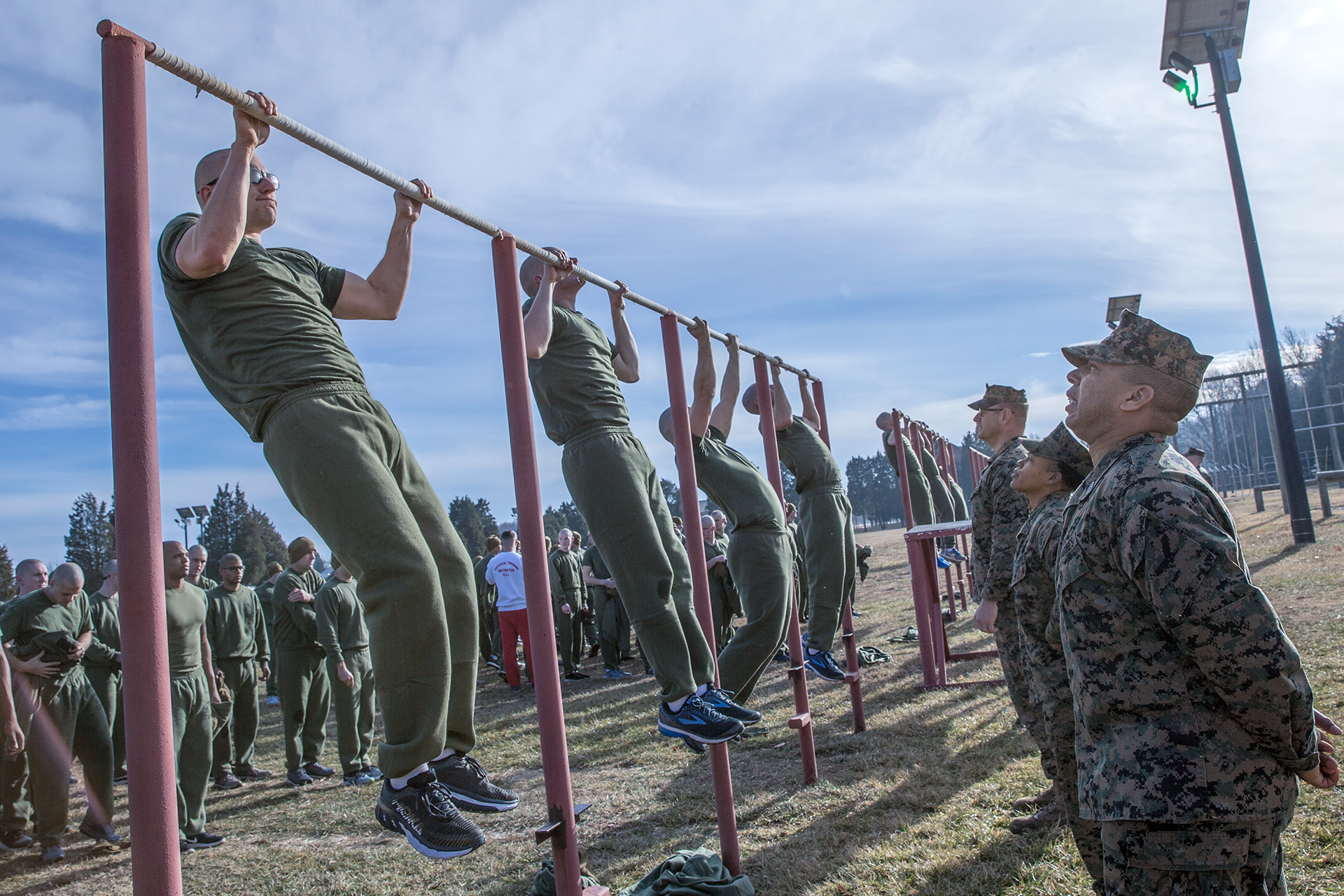
To earn the title of Marine Officer, you must first meet the baseline of physical readiness. The Initial Strength Test (IST) is your first opportunity to prove you have what it takes. This assessment measures your core fitness—ensuring you're prepared to take on the challenges of training. Exceeding the IST standards sets the tone for the Marine Officer you aim to become.
Initial Strength Test Events & Minimum Standards
- PULL-UPS/PUSH-UPS
Male: 3 pull-ups or 34 push-ups (2:00 time limit)
Female: 1 pull-up or 15 push-ups (2:00 time limit)
- RUN
Male: 1.5 mile run in 13:30
Female: 1.5 mile run in 15:00
- PLANK
40 second plank (1:03 minimum)
A Culture of Fitness
Fitness is a lifelong standard in the Marine Corps. Officer candidates must pass multiple physical tests at OCS—and that expectation doesn’t end there. Every Marine Officer is required to take and pass annual fitness tests to lead by example and remain mission-ready.
FAQ
You must be at least 20 years of age to become a commissioned officer in the Marines; however, waivers may be available on a case-by-case basis. Contact your local Marine Corps Recruiter or OFFICER SELECTION OFFICER (OSO) to discuss your personal qualifications.
Yes, you may be able to become a Marine Officer over the age of 28 through an age waiver. Waivers are considered on a case-by-case basis depending on your qualifications and Marine Corps needs. Connect with an OSO to discuss your qualifications and a possible age waiver