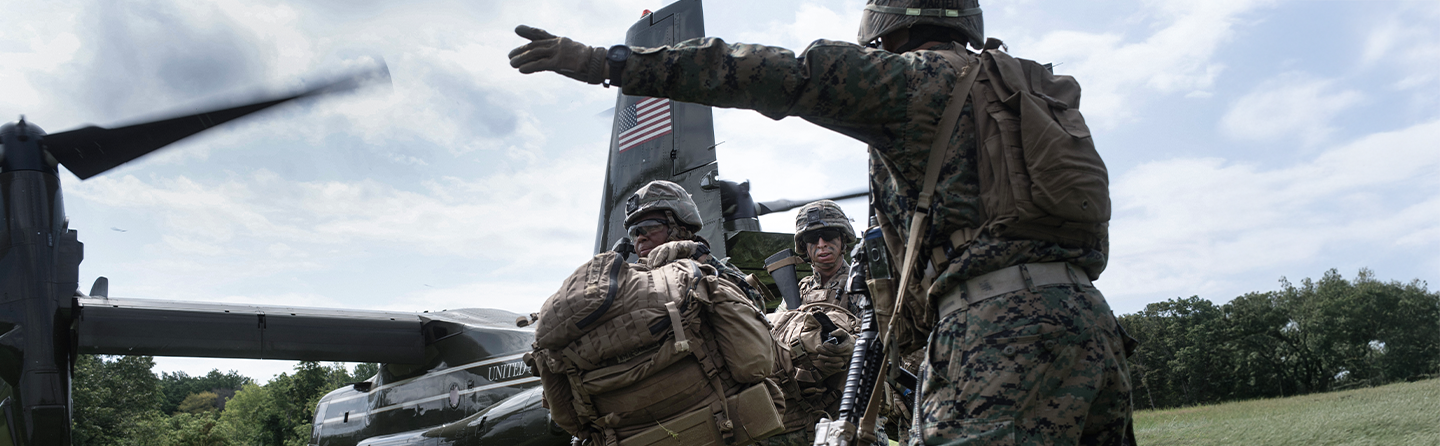

Marine officers in tactical gear directing helicopter landing operations during The Basic School leadership training exercise.

The Basic School

Where Officers Become Leaders of Marines

The Phases of Training

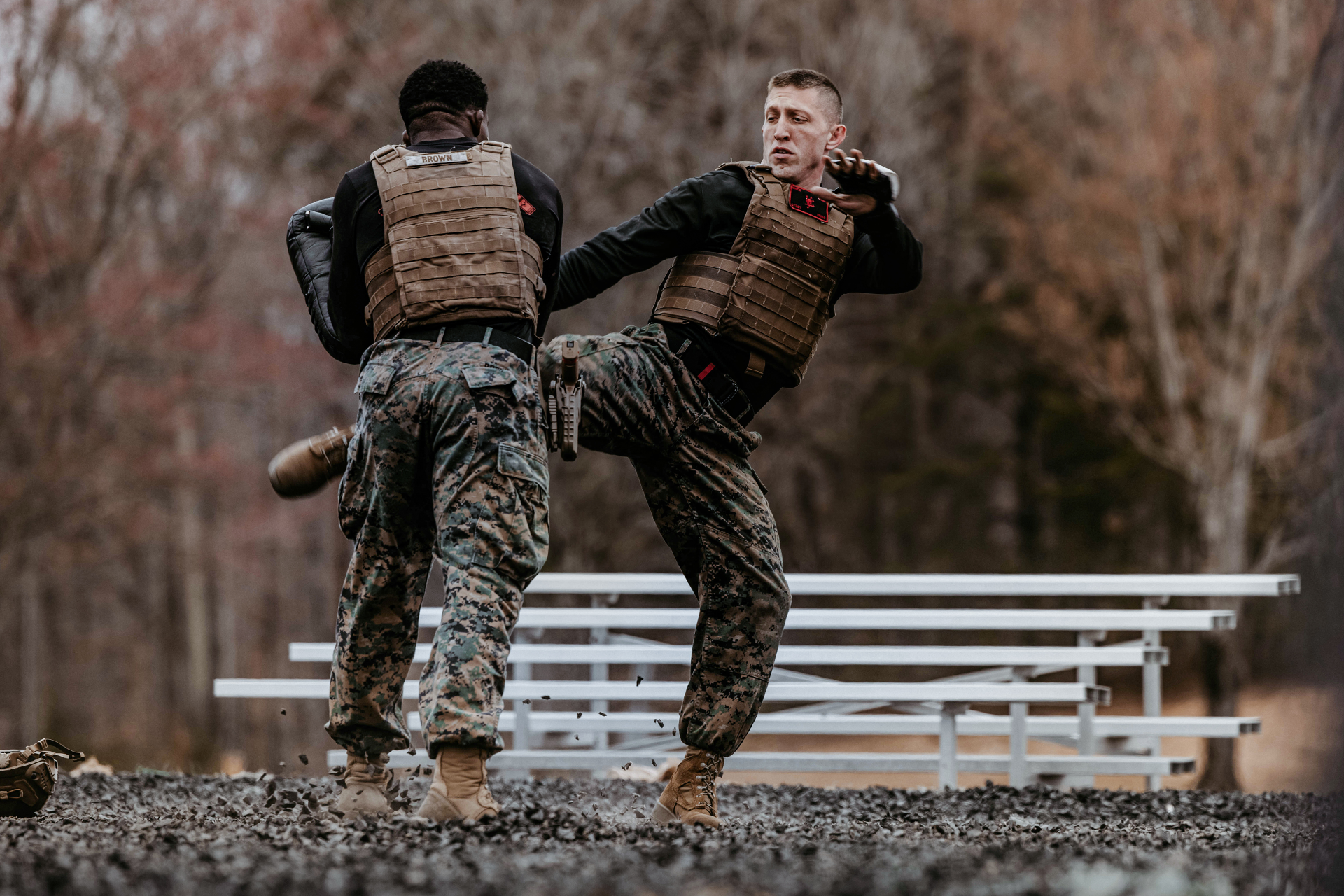
Marine officers in tactical vests conducting hand-to-hand combat training during Basic School Phase 1 individual skills development.

01

Phase I: Individual Skills (7 Weeks)

The journey begins with a focus on individual proficiency. During this phase, officer candidates develop essential skills such as rifle and pistol qualification, land navigation, communications, combat lifesaving, and the Marine Corps Martial Arts Program (MCMAP). These foundational abilities are crucial for effective leadership and operational success.

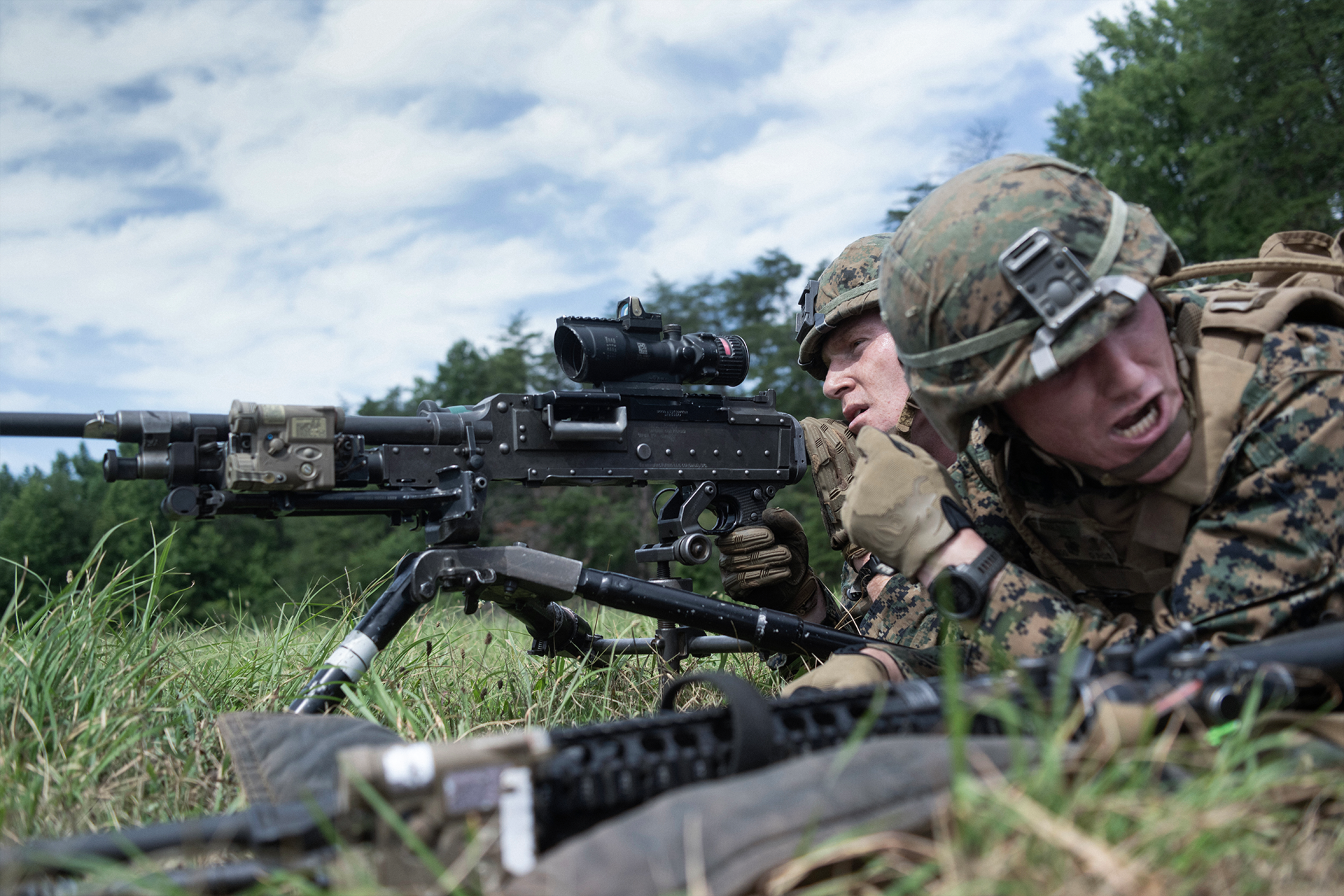
Marine officers with machine gun and optics conducting Phase 2 rifle squad leader training during Basic School weapons instruction.

02

Phase II: Rifle Squad Leader Skills (6 Weeks)

Building upon individual skills, this phase emphasizes leadership and tactical proficiency. Officers learn decision-making, combined arms operations, rifle squad tactics, weapons proficiency, and scouting/patrolling techniques. These competencies are vital for leading and managing small units in various operational scenarios.

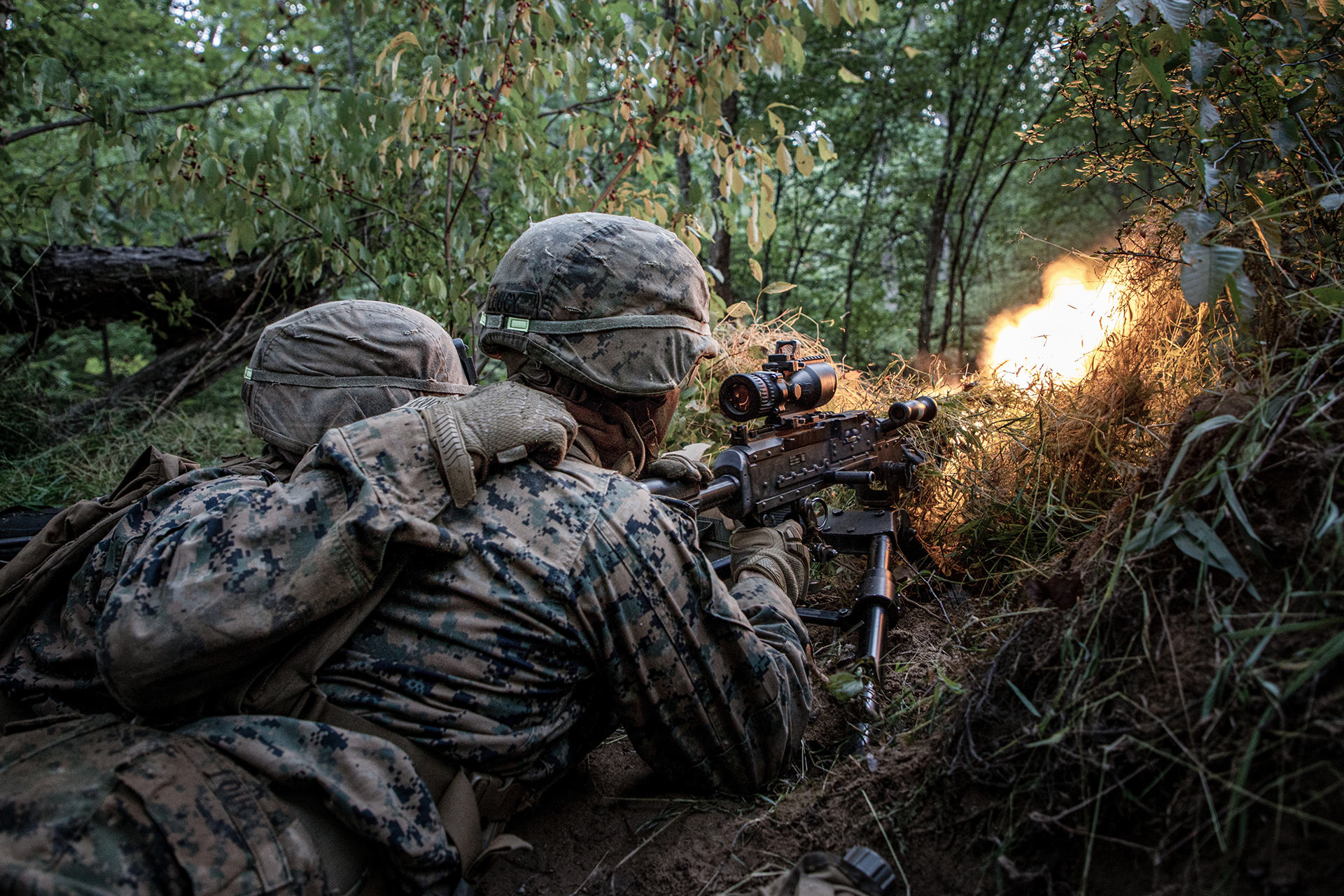
Marine officers firing machine gun with muzzle flash during Phase 3 rifle platoon commander training in wooded environment.

03

Phase III: Rifle Platoon Commander Skills (6 Weeks)

This phase focuses on developing an officer’s ability to command a platoon. Training includes rifle platoon tactics, convoy operations, engineering principles, and crew-served weapons employment. These skills are essential for effective leadership at the platoon level and for executing complex missions.

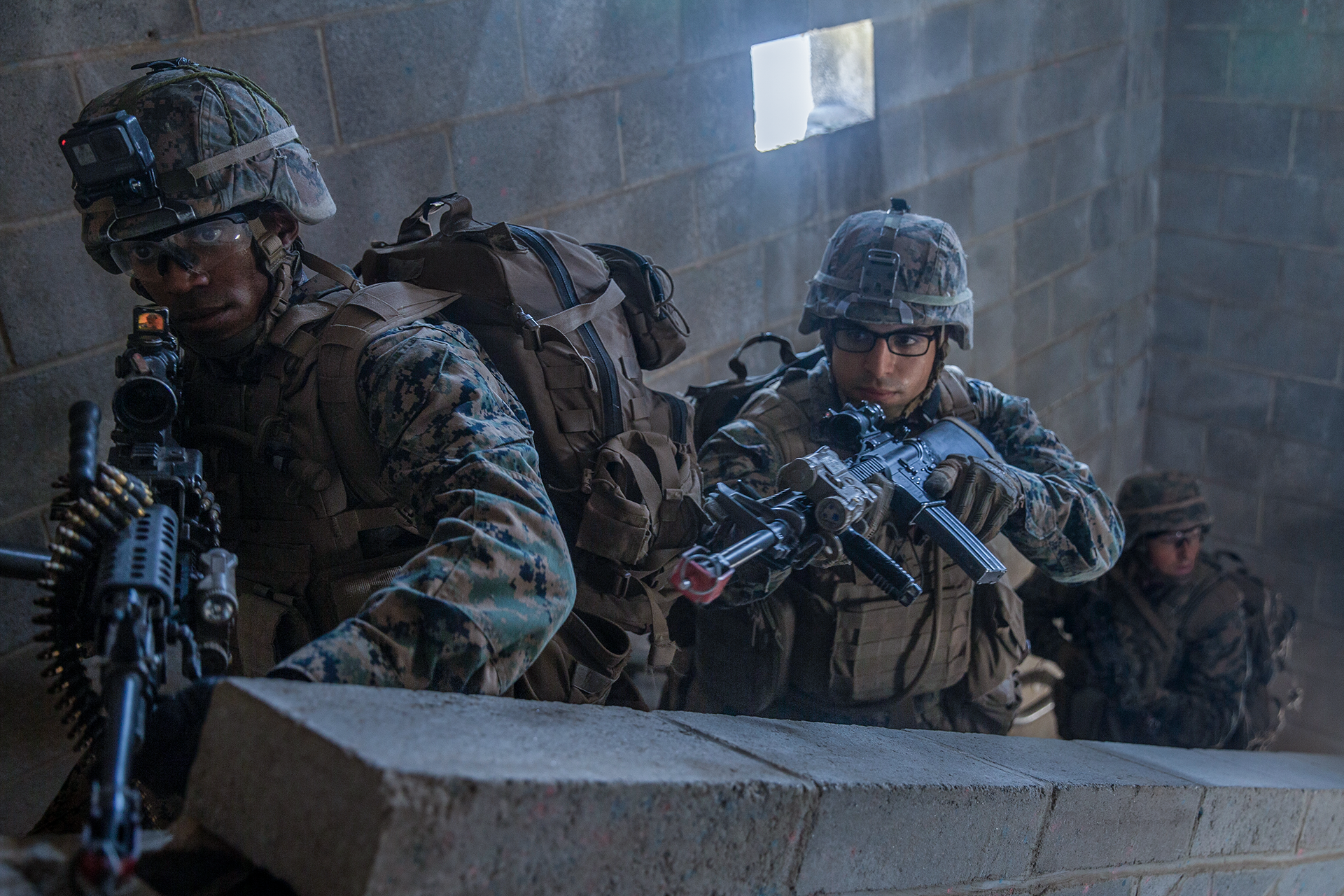
Marine officers in tactical helmets with rifles conducting Phase 4 MAGTF officer skills training during urban combat exercise.

04

Phase IV: Basic MAGTF Officer Skills (7 Weeks)

The final phase emphasizes skills necessary for Marine Air-Ground Task Force (MAGTF) operations. Training covers Military Operations on Urbanized Terrain (MOUT), force protection, expeditionary operations, and legal/administrative duties. These areas are critical for preparing officers to lead in diverse and dynamic environments.

OCS Sergeant Instructor

"When you come here you have to manage your expectations both for success and for failure. You will fail. You will succeed. How you handle success and how you handle failure is a demonstration of character as to whether or not you have what it takes to be a Marine Officer."

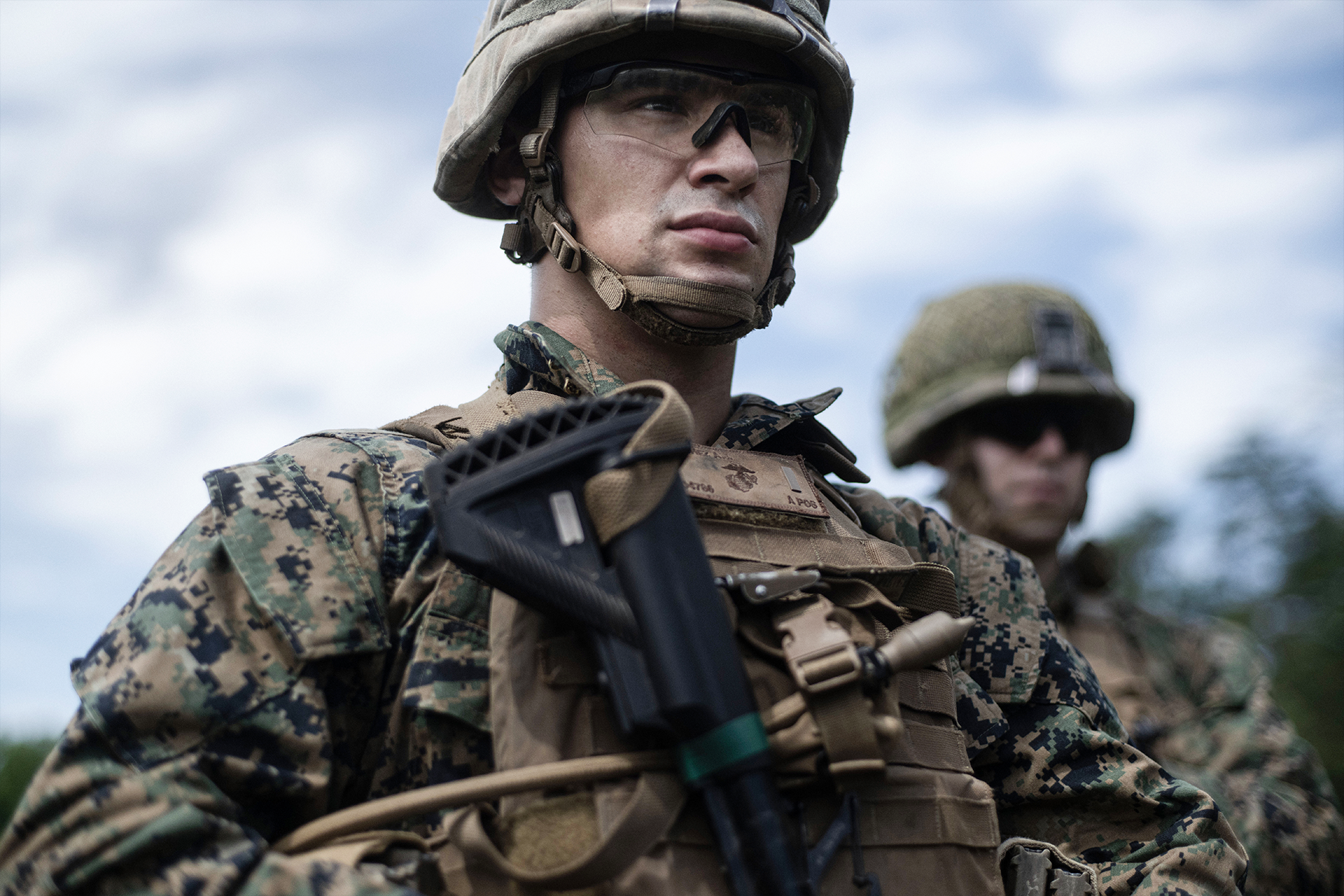
Marine officer in tactical helmet and body armor with rifle during Basic School field training exercise preparation.

Earn the Right to Lead the Fight

Becoming a Marine Officer is designed to be difficult. The path demands more than physical strength or tactical skill. It takes relentless commitment, unshakable integrity, and the mental fortitude to lead when everything is on the line.

Through every challenge, you’ll be shaped into more than a warfighter. You’ll become a leader of Marines—respected, trusted, and forged by the same ethos that defines our Corps.

Officers earn their commission because they refuse to quit—and because they live the values of honor, courage, and commitment every day.

The Mindset to Lead
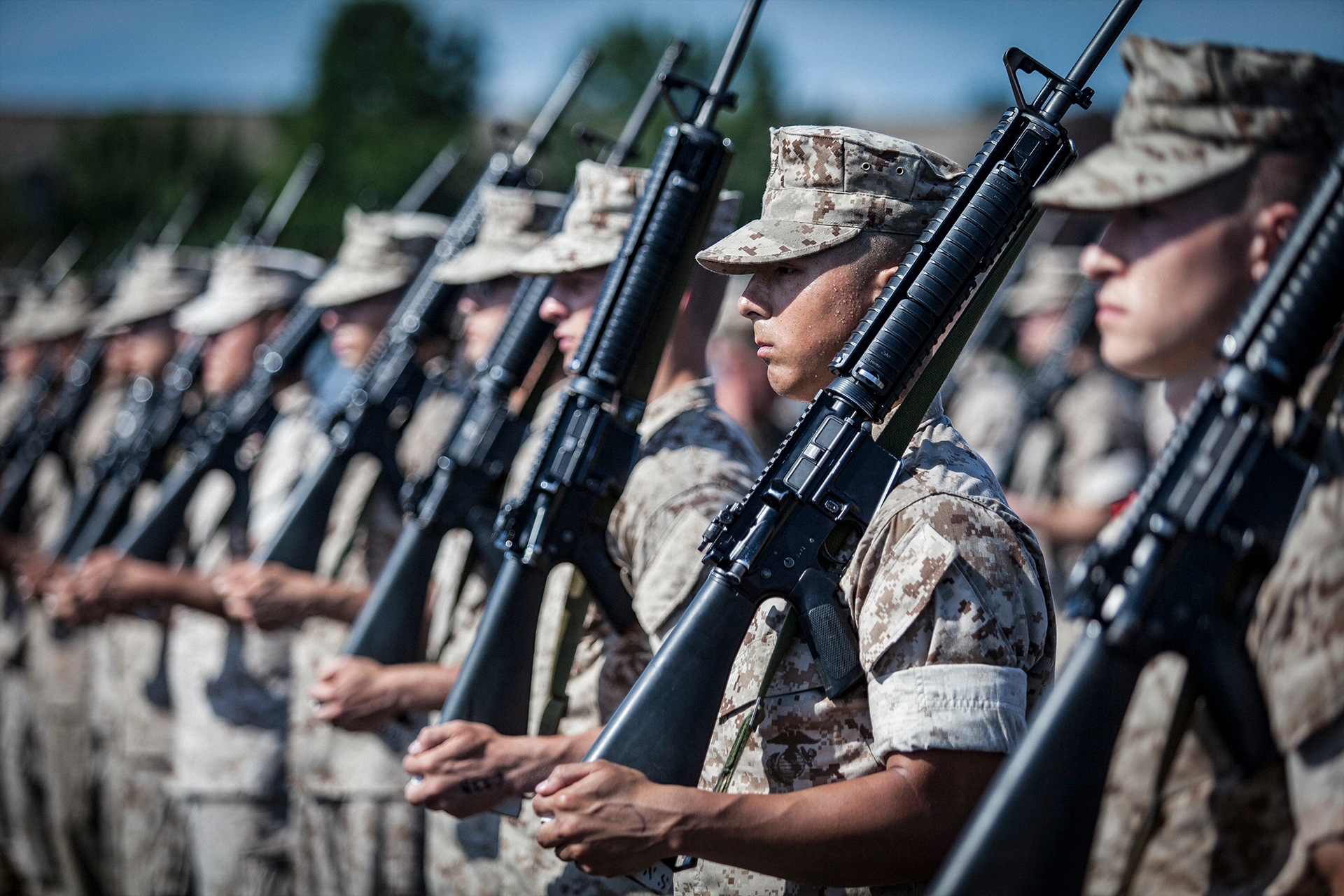
Marine officers in desert camouflage uniforms holding rifles during Basic School graduation ceremony formation.

Learn to Lead With Meaning

Every Marine is part of something greater. This is a community where purpose fuels every mission, and every Marine fights for the person beside them.

Marine Officers are the stewards of this community. They lead with intention, uphold our shared values, and forge the unity that gives Marines their unmatched strength. They don’t just command—they are taught to inspire, protect, and elevate those they serve with.

This is where leadership has meaning—and purpose has power.

Discover Your Purpose
Marine in woodland camouflage uniform with rifle advancing during Rifle Platoon Preparation training exercise.

Request Information

Learn What it Takes to Lead

How you can get into the fight

Training to lead Marines is relentless for a reason: because the mission demands it. If you're serious about stepping into that role, the next move is yours.

Accept the Challenge

Frequently Asked Questions

The Basic School, also known as TBS, is a six-month training program in Quantico, Virginia, where all newly commissioned Marine officers learn the fundamentals of leading Marines, regardless of their future specialty.

All Marine Corps Officers (including Warrant Officers)—whether from the Naval Academy, Officer Candidate School (OCS), or a Reserve Officer Training Corps (ROTC) program—attend TBS after commissioning.

TBS is approximately six months long and includes both classroom instruction and intensive field training.

Officers are trained in small-unit leadership, weapons employment, land navigation, combat tactics, maneuver warfare, field operations, and decision-making under stress.

Yes. TBS challenges officers both mentally and physically, reinforcing the physical standards and combat readiness expected of Marine leaders.

Yes. Officers receive their MOS assignments during TBS, but after they have completed every graduation requirement. Assignments are based on performance, preferences, and the needs of the Marine Corps.

The Basic School is located at Marine Corps Base Quantico, in Quantico, Virginia.

Yes. Officers receive full active-duty pay and benefits during TBS, including meals and healthcare.

Yes. Officers may live off base with their spouse and/or dependents, though the training schedule is demanding and includes extended time in the field.

After completing TBS, officers report to their follow-on schools or units based on their assigned MOS, continuing their specialized training and preparation for leadership in the Fleet Marine Force.