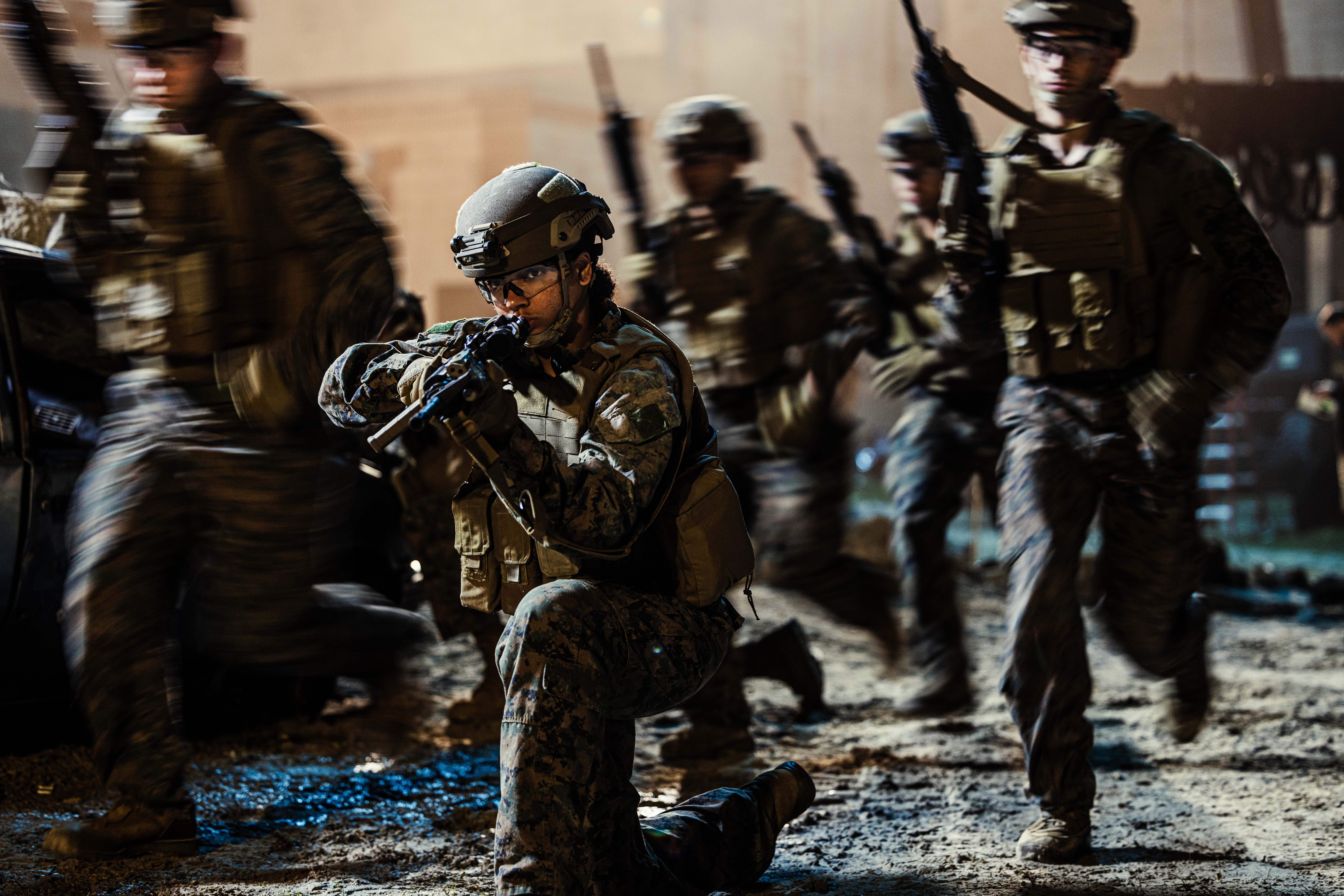
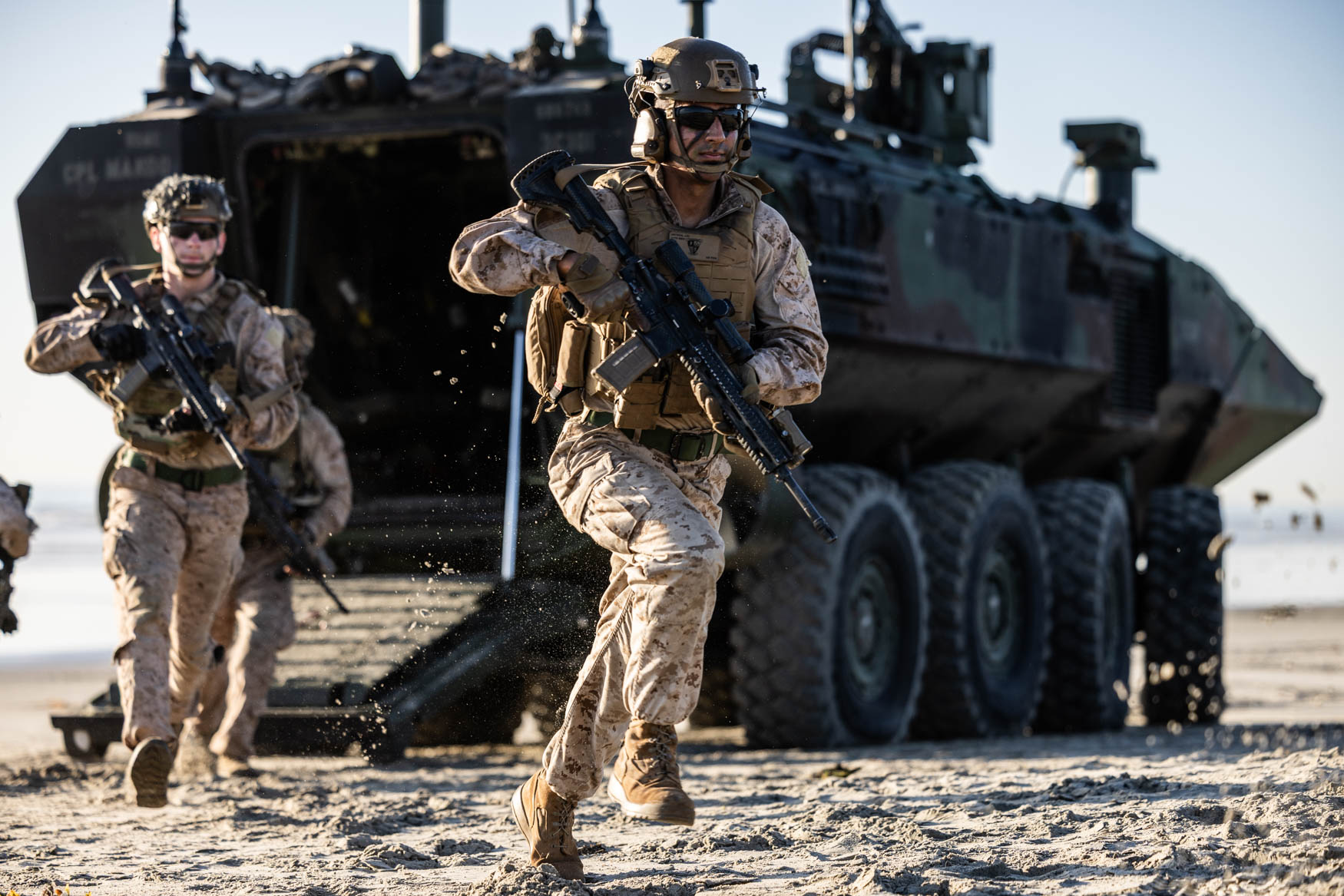
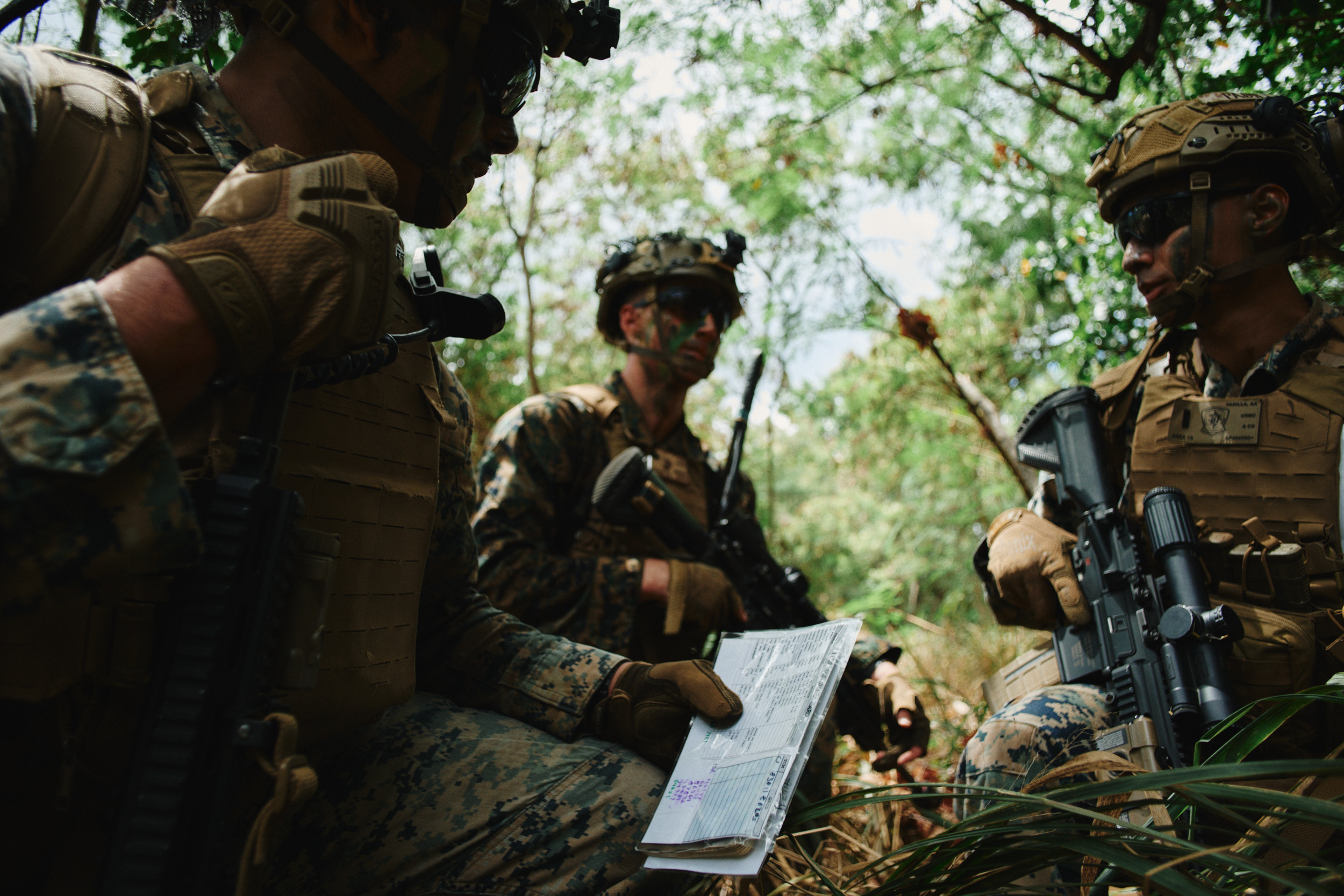
Ground Marines are often the most visible part of an operation. Infantry units execute directly on the front lines, securing objectives, conducting patrols, and responding to threats in rapidly changing environments. Their responsibilities demand physical endurance and mental resilience, but they also depend heavily on support from the Marines around them.
At the same time, Aviation Marines provide mobility, intelligence, and air support that expand the reach of every operation. Pilots transport personnel and equipment, support combat operations, and conduct reconnaissance that provide critical battlefield awareness. Aviation maintenance crews ensure aircraft remain mission-ready, while air traffic and support teams coordinate safe and effective flight operations. In many cases it’s these aviation assets that allow Marines on the ground to move faster and hit harder.
And behind every successful operation, Logistics Marines are busy managing the transportation, fuel, supplies, maintenance, and distribution networks that keep units both on the ground and in the air going in demanding environments. Without logistics support, even the most advanced operations would quickly slow down or stop entirely. Far from being a background function, logistics is an operational backbone that directly impacts overall success. Every convoy coordinated, every supply chain maintained, and every vehicle repaired helps keep Marines moving forward.
Modern operations also depend on highly specialized Marines whose technical expertise connects every part of an operation. Marines from the command element establish secure networks that allow units to share information in real time. Cyber and intelligence professionals help identify threats and protect critical systems. Intel Marines provide information that helps a command determine the next move.